The world of interior design is ever changing, and homeowners and designers are looking for materials that are both attractive and durable. The fluted panel is one of the most popular features of recent times. A fluted panel is characterized by its vertical grooves, which create a textured, dimensional, and sophisticated appearance in various applications, such as walls, furniture, ceilings, and decorative elements.
Whether it’s for luxury homes, apartments, offices, hotels, or retail spaces, fluted panels have become a popular option for their ability to look luxurious while not dominating the space. Fluted panels can easily be paired with various interior designs, ranging from minimalist to Scandinavian, modern to classic. They are very versatile, easy to maintain and come in various materials, making them one of the most coveted interior decorating options available.
What Are Fluted Panels?
Fluted panels are decorative panels with evenly spaced grooves or ridges that are attached to a wall or a surface. The pattern is repeated to give a three-dimensional effect, making a room look more attractive. Today, fluted panels are inspired by the classical architecture columns and have become trendy decorative items for use in residential and commercial interiors.
They come with a range of materials such as MDF, natural wood, PVC, WPC (Wood Plastic Composite), laminate and acrylic finishes. Fluted panels can provide warmth, elegance, moisture resistance or low maintenance, depending on the material and finish.
Why Are Fluted Panels Becoming So Popular?
Fluted panels are making a big splash in interior design for their ability to do more than just look beautiful. They naturally give the impression of taller walls, which help to make rooms more spacious and open. This has made them a favourite feature in contemporary apartments where maximizing the visual space becomes crucial.
Another reason for their popularity is the fact they add texture without cluttering the interior. Unlike the bold wallpaper or heavy patterned wall finishes, fluted panels offer subtle depth that adds to the room without detracting from the clean and sophisticated look.
They also work well with a wide range of colors, furniture styles, and lighting options, allowing them to fit into nearly any interior.
What are the Applications for Fluted Panels?
The greatest benefit of fluted panels is that they are quite versatile. They can be used in practically any area of the house or office.
Popular applications include:
- Living room feature walls
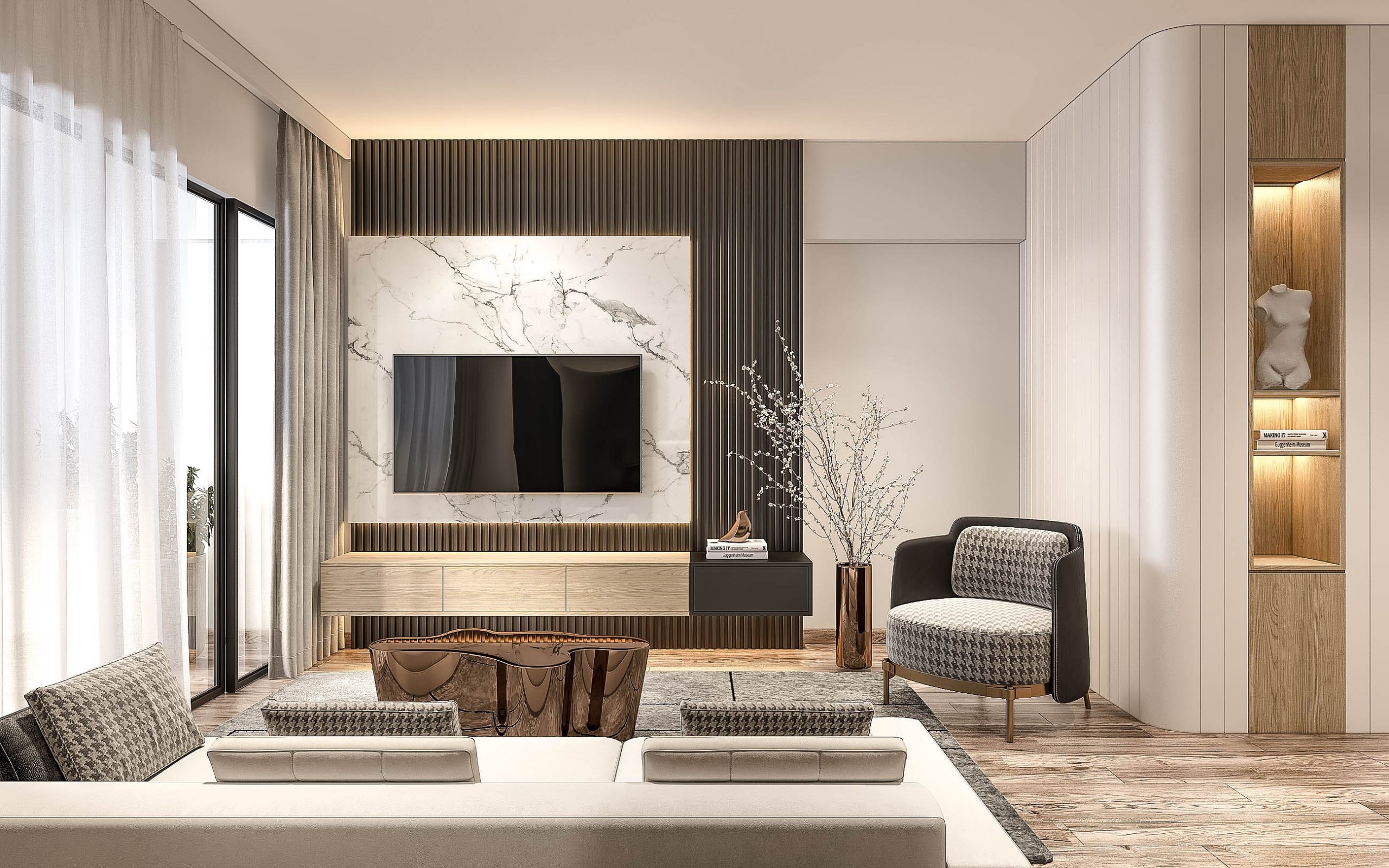
- TV unit backgrounds
- Bedroom headboard walls
The accent walls in the dining room.
- Home office interiors
- Reception areas
- Hotel lobbies
- Retail showrooms
- Hallway walls
- Ceiling decorations
- Wardrobe shutters
- Kitchen islands
LED strip lightings are frequently used with fluted panels to create a luxurious and focal point, often seen in designers’ work.
What Materials Make the Best Fluted Panels?
- There are a number of materials available, all with different benefits for different projects.
- MDF Fluted Panels are easy to paint, smooth and inexpensive.
- Natural Wood Panels offer classic beauty and depth of texture and should be maintained.
- PVC Fluted Panels can be used in kitchens and bathrooms and are lightweight and waterproof.
- WPC Fluted Panels are made of wood fibers and plastic for durability, resistance to termites and moisture.
- Laminate Fluted Panels are scratch resistant, and come in a variety of colors and wood finishes.
You should consider the material you choose based on your budget, geographic location, maintenance requirements and design aesthetics.
What are The Advantages of Fluted Panels in Interior Design?
The fluted panels add texture but not color. They create lovely shadows during the day with their vertical grooves that play harmonously with natural and artificial illumination.
These panels can also help to distinguish feature walls without overdoing the decorative accessories. In contrast to having many different decorative elements in a room, one fluted accent wall may be the focal point of the room.
The fluted panels are popular among designers for their ability to create softness on flat walls and clean architectural lines. They are well-suited with contemporary furniture, neutral shades, marble, glass and metallic touches.
Which Design Styles Work Best with Fluted Panels?
One of the reasons why fluted panels are still in fashion is because they can be used with a number of interior styles.
They are in style in:
- Modern interiors
- Minimalist homes
- Scandinavian designs
- Contemporary spaces
- Luxury apartments
- Japandi interiors
- Industrial themes
- Classic modern homes
The fluted panels are easily customized to suit various decorating styles and can be completed with a natural oak, walnut, black, white or matte gray finish.
Is the Fluted Panel a Practical Application?
Yes. In addition to their looks, fluted panels have a few practical advantages. Most contemporary panels are resistant to moisture, termite and simple to clean. Dust can normally be removed from the grooves with a microfiber cloth.
Some materials also offer some acoustic properties to help reduce the reflectivity of sounds within the room, and can make a room feel quieter and more comfortable.
In addition, many fluted panel systems are relatively easy to install, and can be installed in less time than other wall treatments.
Before installing fluted panels, there are several factors that should be taken into account.
There are a Number of Factors to Consider Before Choosing Fluted Panels
The first step is to select a material that will work in the room’s humidity. Typically, bathrooms and kitchens will need PVC or WPC due to waterproofing.
Second, choose colors that go with the other flooring, furniture and wall paint. Neutral wood finishes are ever timeless and versatile.
Third, think about lighting. The grooves can be accented with wall-mounted LED lighting or strip lighting that is hidden, creating a luxurious space.
Lastly do not cover all the walls with fluted panels. They can be used as feature elements and provide a more balanced and elegant design.
Why Are Fluted Panels Expected to Stay Popular?
Though interior design fads may fade, fluted panels have some attributes that make them timeless. They are both modern and simple, and yet also have an architectural elegance that dates back over a hundred years, while they are also durable and offer flexibility in their use.
With homeowners looking for stylish, yet functional interior spaces, fluted panels remain excellent in terms of design and usability. They will continue to be a favored option for years due to their compatibility with sustainable materials, modular construction, and modern designs.
Conclusion
Today, fluted panels have become one of the most sought after interior design features and have moved past being a mere architectural element. Their vertical grooves are elegant, add texture, look sophisticated and add some depth for the design which complement almost all the styles of design. They come in different materials, finishes and colors and can be installed in a living room, bedroom, office, hotel, or commercial spaces.
Whether you’re updating an existing property or building a new one, fluted panels provide a beautiful, functional, and durable option to elevate the design and appeal of your space. They can transform any interior into a contemporary, attractive and welcoming environment when used correctly and in the right place.
Answers to Frequently Asked Questions
1. What are fluted panels made of?
Fluted panels can be manufactured from a variety of materials, including MDF, natural wood, PVC, WPC (Wood Plastic Composite), laminate, and acrylic; the types of materials used will vary in terms of durability, aesthetics, and ease of maintenance.
2. Are fluted panels waterproof?
Fluted PVC and WPC are suitable for moisture areas like kitchens, bathrooms, etc., since they are waterproof. In order to prevent excessive moisture, MDF and natural wood panels need to be protected.
3. Can fluted panels be installed on existing walls?
Fluted panels can be attached directly to clean, dry and level surfaces, which typically makes them easy to attach to existing walls.
4. Are fluted panels easy to maintain?
Typically, only regular dusting and the occasional soft cloth mopping is necessary with most fluted panels. Do not use rough chemicals that can affect the finish.
5. Can fluted panels be used in small rooms?
Absolutely. The vertical lines give them the effect of taller ceilings and bigger rooms and are ideal for small rooms and apartments.