
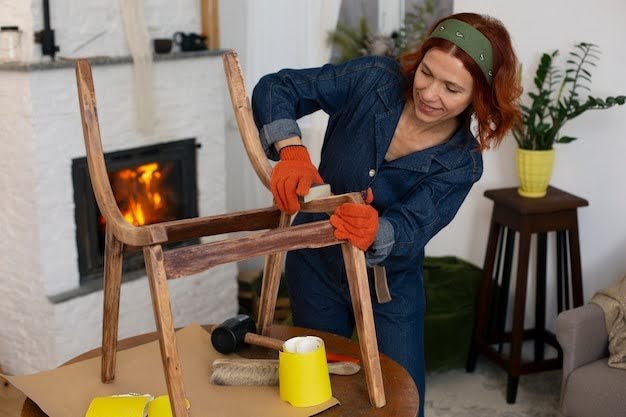
Refreshing an old table, chair, dresser, or cabinet can give furniture a new appearance. Successful refinishing depends on choosing the right materials and tools for each stage of the project. From surface preparation to the final protective coat, having reliable supplies helps create a smoother finish and makes the work easier and more consistent.
1. Choose the Right Sandpaper
Sandpaper is one of the most important materials for refinishing because it removes old finishes, smooths rough areas, and prepares surfaces for paint or stain.
Start with coarse or medium-grit sandpaper when removing damaged coatings, then move to finer grits for smoothing. Sanding blocks or an orbital sander can also make larger surfaces easier to prepare. Always sand evenly and remove dust before applying any new product.
2. Select Quality Cleaning and Preparation Supplies
A clean surface is essential before applying paint, stain, or protective finishes. Use a suitable furniture cleaner or mild degreaser to remove dirt, grease, wax, and residue. A scraper can help remove loose paint or old buildup without damaging the material underneath.
Tack cloths and clean rags are useful for removing dust after sanding. Proper preparation allows finishing products to adhere more effectively and produce an even result.
3. Invest in Good Brushes and Applicators
The right applicator can improve the final appearance. High-quality paintbrushes are useful for detailed furniture, edges, corners, and decorative areas, while foam brushes can provide smooth coverage for certain stains and finishes.
Rollers may work well on broad, flat surfaces. When refinishing furniture, choose applicators that match the product being used and avoid overloading them, which can create drips and uneven areas.
4. Pick the Appropriate Paint, Stain, or Finish
The finishing product should match both the furniture material and the desired appearance. Paint can create a bold, refreshed look, while wood stain highlights the natural grain.
For projects where durability matters, consider a suitable polyurethane, varnish, or other protective topcoat. Before applying it to the entire piece, test it on a hidden area. This helps confirm the color and compatibility with the surface.
5. Use Protective and Safety Equipment
Furniture projects can involve dust, fumes, and chemical products, so safety supplies should not be overlooked. Wear protective eyewear during sanding and use an appropriate mask or respirator when recommended by product instructions.
Gloves can help protect hands from cleaners, stains, and finishes. Work in a well-ventilated area and follow the manufacturer’s instructions for drying, storage, and disposal.
6. Keep Helpful Finishing Tools Nearby
Several simple tools can improve efficiency during refinishing. Screwdrivers and small containers help when removing and organizing hardware such as handles, hinges, and knobs.
Painter’s tape protects areas that should remain unfinished, while drop cloths protect floors and nearby surfaces.
Final Thoughts
Choosing suitable materials and tools is an important part of achieving professional-looking furniture results. Good sandpaper, cleaning supplies, quality applicators, appropriate finishes, safety equipment, and repair tools each serve a purpose. Careful preparation and patience are also important. With the right supplies and a step-by-step approach, refinishing can transform worn furniture into attractive, useful pieces that complement your home for years.
