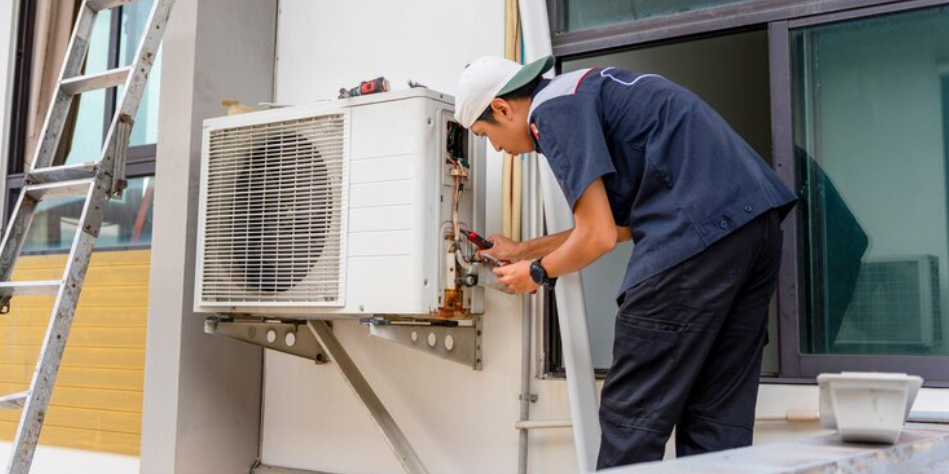
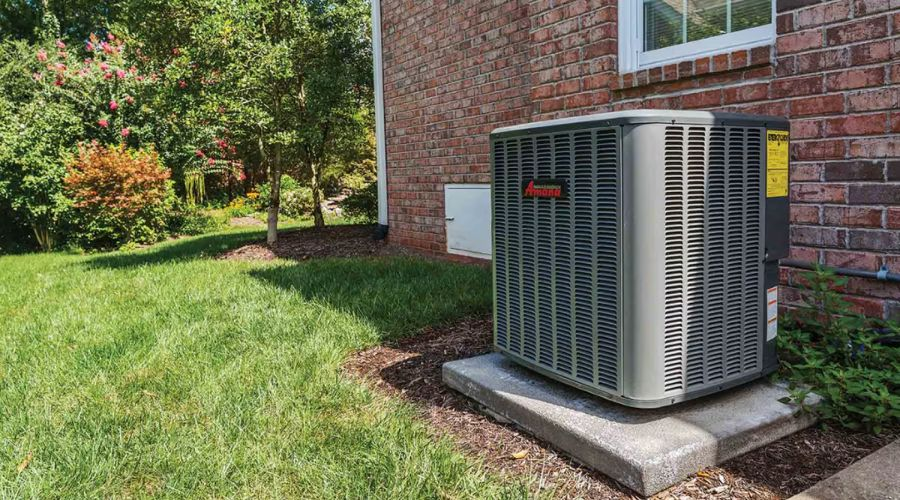
Older air conditioning systems continue running in many homes well past their ideal service life, often without homeowners fully realizing the associated costs. Updating to a newer system delivers benefits that extend well beyond simple cooling performance alone. Exploring these advantages helps homeowners understand why this kind of upgrade often makes strong financial and practical sense. Exploring these advantages helps homeowners evaluate this upgrade more confidently.
The Hidden Costs of Running an Older System
Older air conditioning systems often consume significantly more energy than necessary to achieve the same level of cooling comfort. Increasingly frequent repairs add up over time, sometimes exceeding what a homeowner might expect from routine system maintenance. These accumulating costs often go unnoticed until homeowners compare their situation against the efficiency of modern alternatives. Recognizing these hidden costs helps homeowners evaluate the true value of continuing to operate an aging system. Recognizing these accumulating costs helps homeowners see the full financial picture.
How AC System Replacement Delivers Immediate Benefits
Pursuing AC system replacement immediately improves cooling consistency and overall energy efficiency compared to an aging, struggling unit. Newer systems often operate more quietly as well, reducing noise disruption throughout a home during operation. Modern units also frequently include improved humidity control, contributing to a more comfortable indoor environment overall. These immediate improvements make replacement a noticeably rewarding upgrade from the moment installation is complete. These immediate improvements make the transition feel worthwhile from day one.
Long-Term Financial Advantages of Upgrading
Reduced energy consumption from a modern system translates into meaningful savings accumulated over many years of operation. Fewer repair needs also reduce ongoing maintenance costs compared to continuing to service an aging, unreliable system. Considering available rebates or incentives for energy-efficient upgrades can further improve the overall financial value of replacement. These combined long-term savings often justify the upfront investment required for a system upgrade. These combined savings often justify the upfront investment required.
Environmental Benefits of Modern Cooling Technology
Newer systems typically use more environmentally friendly refrigerants compared to older models still operating in many homes. Improved energy efficiency also reduces overall environmental impact by lowering electricity consumption associated with home cooling. Homeowners increasingly consider these environmental factors alongside financial savings when evaluating a system upgrade. This combination of financial and environmental benefits makes replacement an increasingly attractive option for many households. This combination of benefits makes replacement an increasingly attractive choice.
Choosing the Right Time and Approach for Replacement
Planning replacement during shoulder seasons, rather than peak summer demand, often provides more scheduling flexibility and better contractor availability. Comparing multiple contractor quotes helps ensure fair pricing and identify a provider genuinely suited to a specific project. Considering system sizing carefully, rather than simply matching the previous unit, helps optimize long-term performance and efficiency. This thoughtful planning approach supports a smoother, more successful upgrade experience. This thoughtful planning supports a smoother, more successful upgrade.
Conclusion
Updating an older cooling system delivers meaningful benefits across comfort, cost savings, and environmental impact simultaneously. Recognizing the hidden costs of continuing to run an aging system helps homeowners make a more informed upgrade decision. With careful planning, this investment continues delivering value and improved comfort for many years following installation.